The communities of practice and learning promoted by Techint Group are much more than a traditional teacher training strategy. They are vibrant, collaborative, and horizontal spaces where educators support one another, build shared meaning, and continuously improve their practice together. By Mónica Martínez, Ramiro Seré and Lourdes Ollivier.
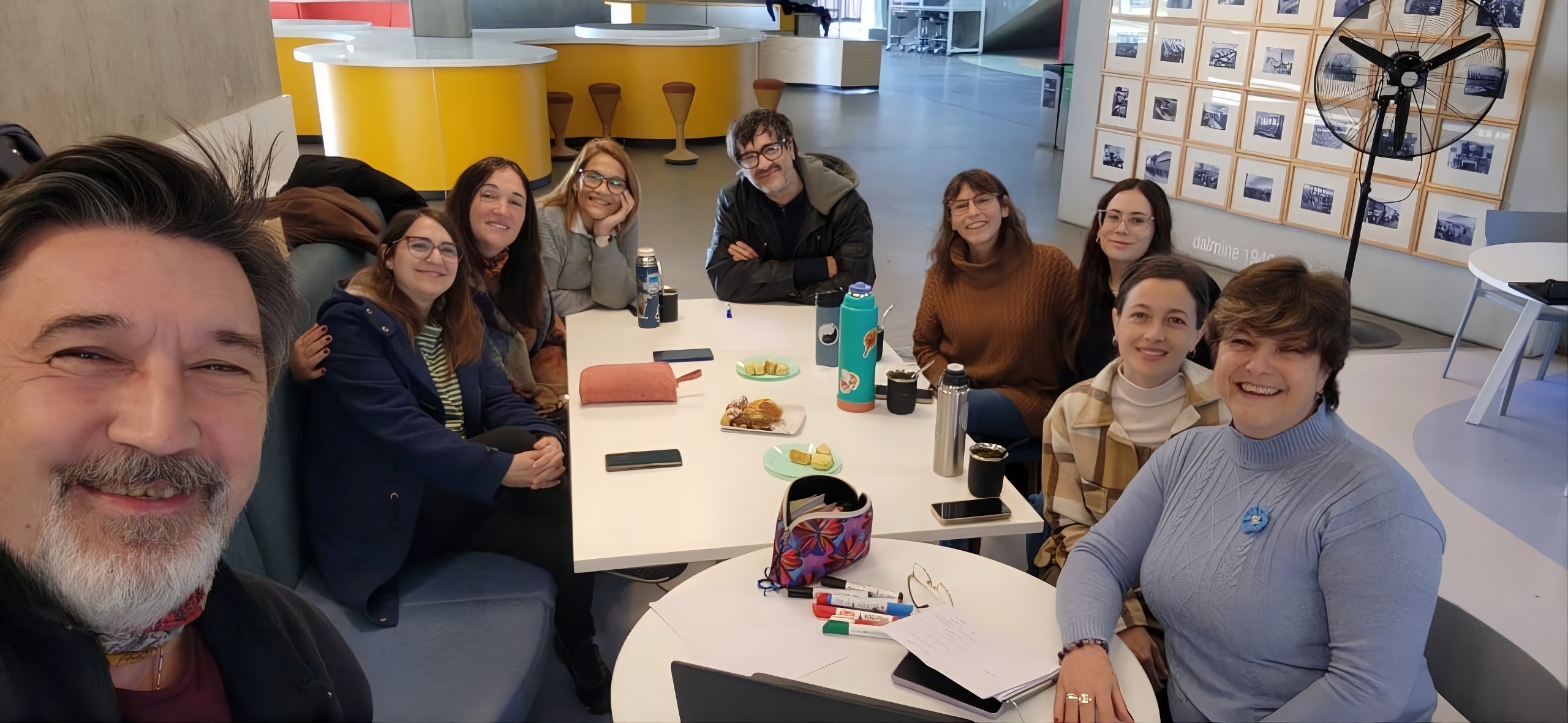
By Mónica Martínez, Deputy Principal of Roberto Rocca Technical School in Pesquería; Ramiro Seré, Deputy Principal of Roberto Rocca Technical School in Campana; and Lourdes Ollivier, a specialist in Pedagogy and Continuous Improvement for Techint Group.
In every school, in every classroom, there is one common theme: the deep involvement of educators. While teaching comes with challenges—such as navigating complex classes or adapting to new pedagogical tools—there are increasingly more spaces for collaboration, exchange, and peer support. Because, even though educating future generations is a great responsibility, it is also a task that can be strengthened in community.
With the conviction that educators work better in networks, Techint Group launched communities of practice and learning in 2019 as part of its Roberto Rocca Educational Programs. The initiative emerged as a concrete response to a pressing question: how can we strengthen the continuous improvement of teaching practices through a collaborative, empathetic, and locally grounded approach?
Communities that connect, learn, and build knowledge
A community of practice and learning is not a course or a traditional training program. There is no external “expert” delivering content, nor a rigid syllabus. Instead, it is a space where a group of people who share a common commitment—to improve education—meet regularly to engage in dialogue, exchange experiences, reflect on their practice, formalize what they learn, and collaboratively develop new tools.
What makes a community so powerful is its ability to foster dialogue and both individual and collective reflection. It impacts institutional culture and empowers teachers in their own practice and that of their teams. Ultimately, the work carried out in these communities enhances the quality of education we provide to our students.” Mónica Martínez"
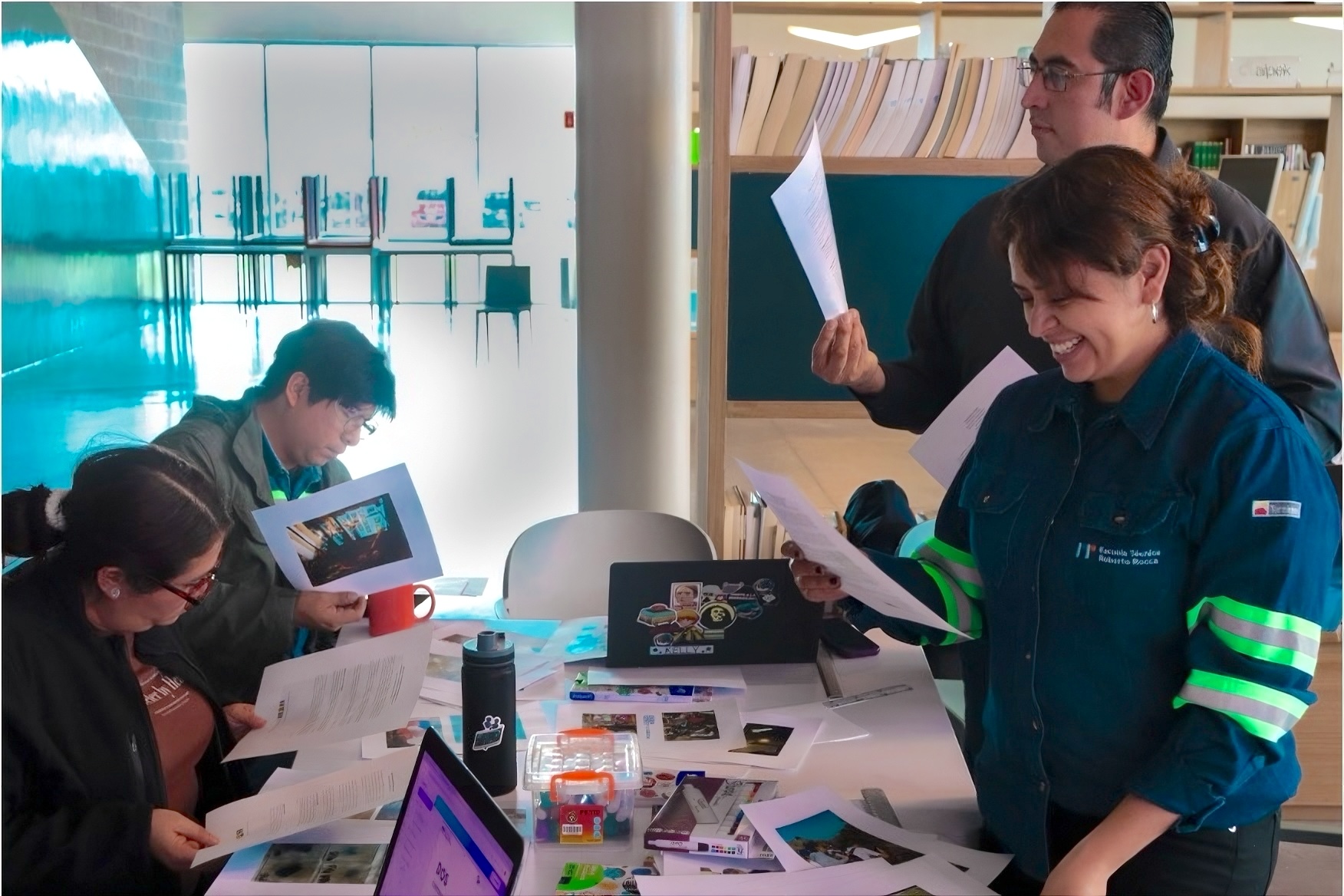
Global communities emerged from exchanges between teams across different Programs and locations, where shared challenges were identified—such as Project-Based Learning (PBL), math instruction, socio-emotional support, and the integration of technology in the classroom. From there, groups were organized by country and later by topic, enabling in depth work on each focus area with solutions adapted to local contexts.
Over time, these communities have evolved into spaces for networked thinking—where solutions are built from practice and initiatives are developed with a direct impact on students.
A methodology with its own identity
Although each community of practice has its own dynamics, they all share a set of guiding principles:
Active listening and horizontal structure: every voice matters. There are no hierarchies—only diverse perspectives that enrich one another.
Context-driven approach: initiatives are built around real challenges faced by educators in their schools or programs.
Reflection on practice: rather than applying fixed solutions, the focus is on analyzing and understanding what happens in the classroom and co-creating potential improvements.
Systematization and sharing: valuable insights do not remain in one group, but are documented and shared across the broader educational network.
Continuity over time: these are not one-off events, but sustained processes that grow stronger with trust among peers.
Commitment to continuous improvement: communities aim to strengthen teaching practices and positively impact the Roberto Rocca Educational Programs.
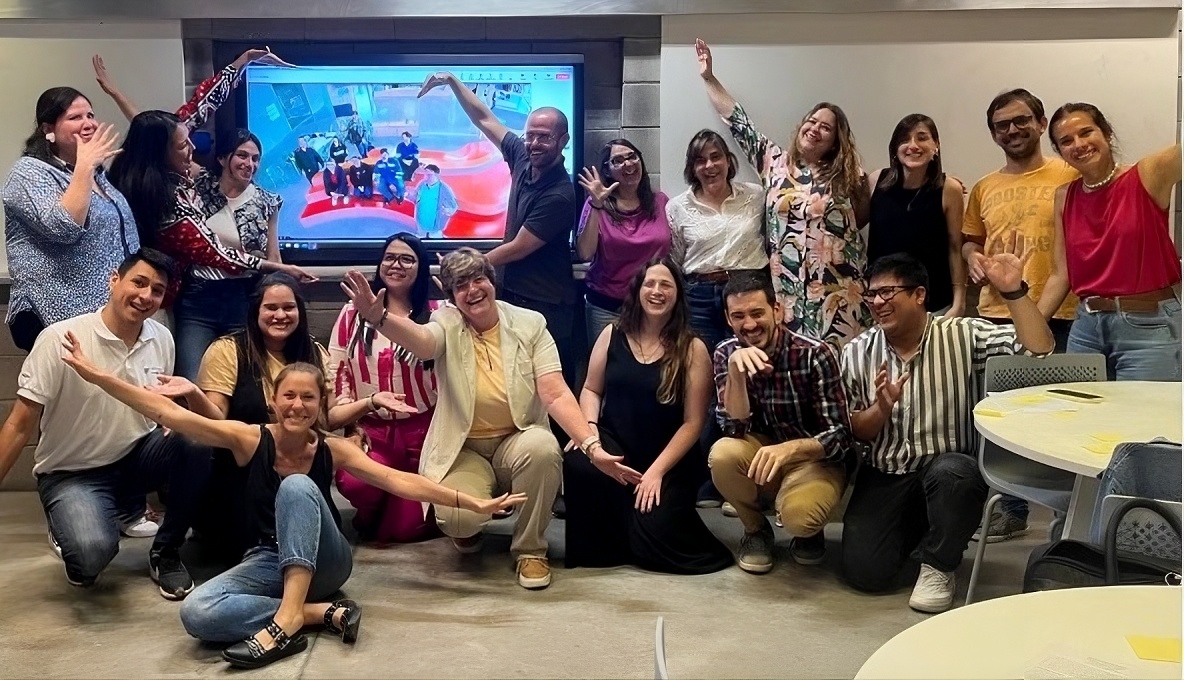
“The key to a community is creating a safe and meaningful space where teachers take ownership of their professional growth. When that happens, the impact is undeniable—the experience becomes a true opportunity for learning and development.” Ramiro Seré"
How to get begin a community of practice and learning
You don’t need complex structures or significant resources to begin. What matters most is a genuine willingness to share, learn, and build together.
The first step is identifying a shared need or challenge within the educational field—something that sparks interest, raises questions, and brings people together to think collectively.
Gathering a group of people interested in a subject, setting basic requirements (frequency of meetings, dynamics, goals), and defining a clear purpose are key to guiding the process.
Beyond format, what truly matters is creating a space where everyone feels comfortable thinking out loud, sharing what works and what does not, and co-creating new responses.
In addition to their internal work, communities of practice also strengthen the broader network: the materials, strategies, and learnings achieved become resources and tools that are shared through training programs, digital platforms, and institutional events. They have an impact as concrete resources for the improvement of the educational model by the teachers.
An experience worth replicating
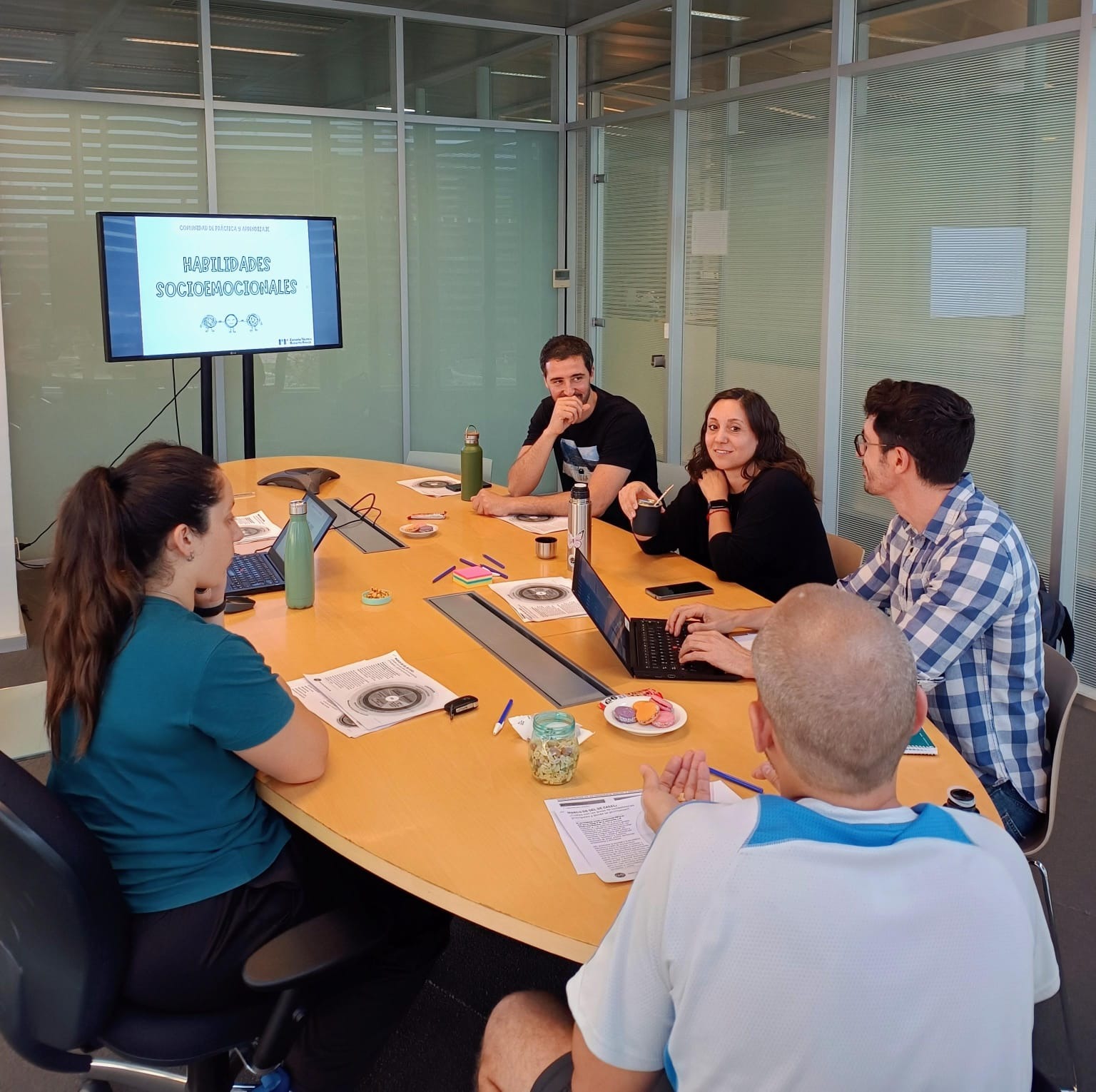
The experience of communities of practice and learning was presented at the IFE Conference 2026 in Monterrey, Mexico—one of the most important international events on educational innovation, organized by TEC de Monterrey. There, the team behind the initiative shared its journey, key learnings, and how the model can be adapted to different educational contexts.
“Communities of practice and learning are a commitment to continuous improvement and collaborative work. We hope this inspires others—not because we have a magic formula, but because we truly believe in the power of collective work, dialogue, and shared reflection to transform education.” Lourdes Ollivier"
The message is clear: any institution, network, or team working in education can build its own community. All it takes is a willingness to connect, a mindset of sharing, and a common question to explore together.
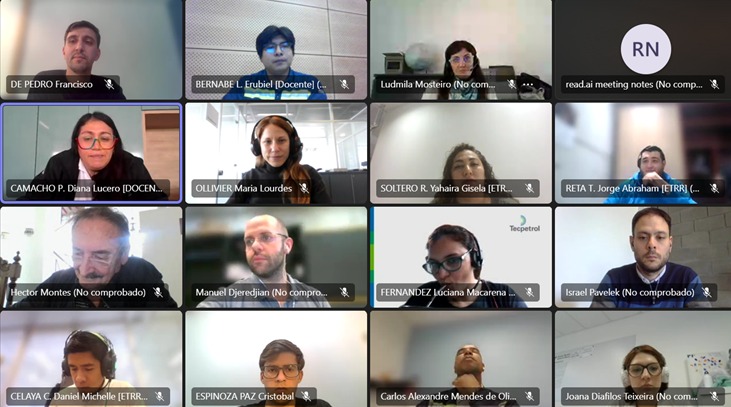
In a world where educational challenges are increasingly complex, solutions cannot be created in isolation. Communities of practice show that another way of learning and teaching among adults is possible—one that places students at the center and relies on collaboration, active listening, and a shared commitment to making education more equitable, human, and transformative.
Because, ultimately, improving our own practice is also a way of improving education.
BIOS
Mónica Martínez
Mónica Martínez is an Industrial Chemist with a master’s degree in Mechanical Engineering with a specialization in Materials. With over 10 years of experience in teaching and research in metallurgy, CAD/CAE technologies, and 3D printing, she has developed patents and publications in casting and molding processes. As Academic Deputy Principal of Roberto Rocca Technical School in Pesquería, she is committed to transforming education through innovative methodologies that foster deep learning and the holistic development of students.
Ramiro Seré
Ramiro Seré is Academic Deputy Principal of Roberto Rocca Technical School in Campana, an institution focused on technical-technological education and pedagogical innovation. His work centers on promoting project-based academic practices, educational transformation, active learning, as well as teacher development and formative assessment.
He holds a Bachelor’s degree in Social Communication and a Master’s degree in Education, with extensive experience in teaching and school leadership. He has also participated in regional initiatives aimed at strengthening pedagogical capacities.
linkedin.com/in/ramiro-seré-b4393351
Lourdes Ollivier
Lourdes Ollivier is a Pedagogy and Continuous Improvement Specialist for the Roberto Rocca Educational Programs within Community Relations at Techint Group. She previously worked for five years at Roberto Rocca Technical School. She is a teacher and holds a degree in Psychopedagogy, with a specialization in Education in Buenos Aires, Argentina.